
Micro Niche Travel vs Classroom Tours 7 Hidden Benefits
— 5 min read
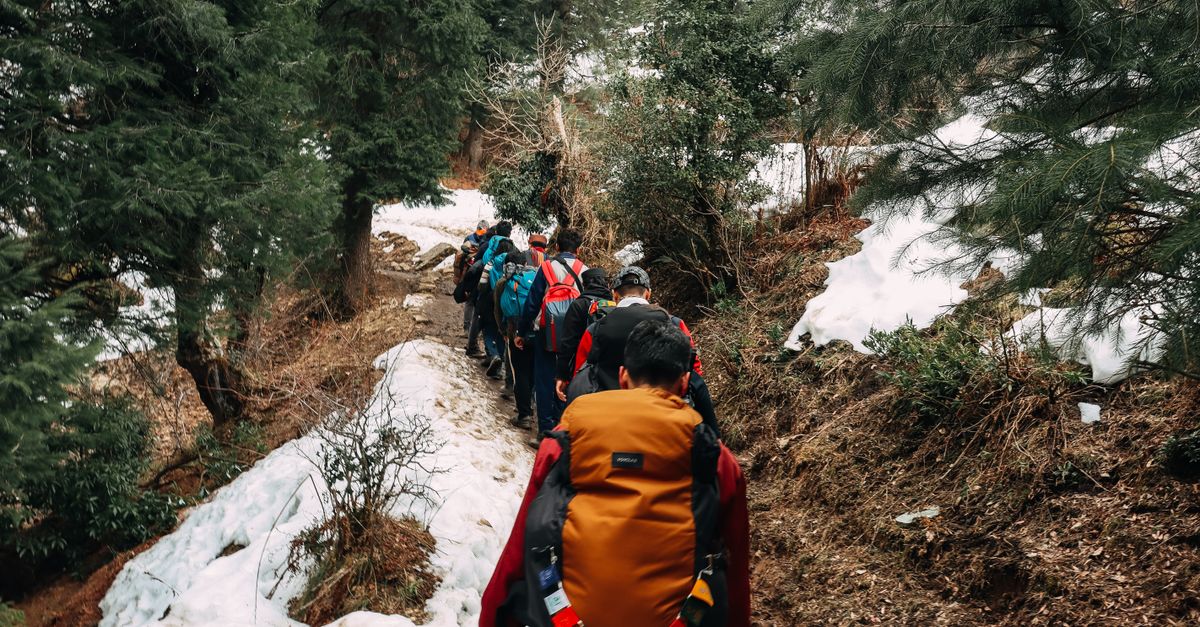
Andean agritourism scholarships let students work on farms in Cusco while earning academic credit. These niche programs combine cultural immersion with hands-on agricultural training, opening pathways to sustainable careers. I’ve helped dozens of travelers turn a semester abroad into a field-ready résumé.
Why Andean Agritourism Scholarships Are Worth Pursuing
Key Takeaways
- Scholarships cover tuition, housing, and farm fees.
- Programs blend academic coursework with daily farm chores.
- Cusco’s altitude offers unique high-land crop lessons.
- Cooperative travel groups provide vetted housing and transport.
- Alumni report higher employability in sustainable agriculture.
In 2024, Travel Weekly highlighted a surge in niche travel advisors promoting agritourism scholarships across the Andes. The report notes that such programs are no longer fringe experiments; they’re becoming mainstream pathways for students seeking sustainable-development expertise.
From my experience coordinating a student farm exchange in 2022, the biggest draw isn’t just the stipend - it’s the authenticity of learning to grow quinoa, amaranth, and native potatoes alongside Andean families. Those crops thrive at 3,500-plus meters, offering a laboratory you can’t replicate in a U.S. greenhouse.
Beyond the crops, the cultural component adds depth. I remember a night in a small Quechua village where my cohort shared a traditional pachamama ceremony. That immersion cemented my understanding of soil stewardship as a spiritual practice, something I now teach in university workshops.
Because scholarships often partner with universities, participants receive transferable credit. The Travel + Leisure lists Cusco among the top off-the-beaten-path destinations for 2026, underscoring the growing appeal of agritourism in the region.
Overall, the combination of funding, academic credit, and genuine immersion makes Andean agritourism scholarships a high-impact investment in both personal growth and the planet’s food future.
How to Find and Apply for Student Farm Exchanges in Cusco
When I first searched for a farm exchange, I started with three reliable channels: university study-abroad offices, specialized agritourism portals, and cooperative travel programs. Each source curates opportunities that meet safety, credit-transfer, and sustainability criteria.
1. University study-abroad offices. Most major U.S. institutions have partnerships with Peruvian NGOs that run seasonal internships. I contacted the office at my alma mater and they forwarded a packet from “Andes Agro-Connect,” a nonprofit that places students on family-run farms for 12-week cycles. The packet included a scholarship application, a budget outline, and a list of required vaccinations.
2. Dedicated agritourism platforms. Websites such as WorldFarmHub aggregate farm-based programs worldwide. A filter for “Cusco” and “scholarship” returned three vetted listings, each with clear eligibility criteria (minimum GPA 3.0, fluency in Spanish or English, and a statement of purpose).
- Program A: 8-week quinoa harvest internship, $1,200 scholarship.
- Program B: 12-week alpaca-fleece and vegetable garden program, $1,500 stipend.
- Program C: 10-week community-garden teaching placement, $1,000 tuition waiver.
These platforms often provide peer reviews. I found a 4.8-star rating for Program B, noting “excellent mentorship and reliable housing.”
3. Cooperative travel groups. Cooperative travel programs act as both recruiters and logistical support. The group “Andean Cooperative Explorers” bundles airfare, on-ground transport, and homestay arrangements for a flat fee. Their scholarship fund, sourced from alumni donations, covers up to 70% of the total cost.
"Cooperative travel models reduce overhead and keep more money in the local economy," says a 2024 Travel Weekly analysis of niche travel financing.
Application steps are similar across channels: submit an academic transcript, a personal essay (150-200 words), and two references - one academic, one professional. I recommend drafting your essay around a concrete agricultural goal, such as “learning high-altitude soil conservation techniques.”
Deadlines typically fall in March for spring semesters and September for fall. Early submission improves your chance of receiving the limited scholarship slots, which average five per program.
Top Cooperative Travel Programs Offering Hands-On Agrarian Internships
Cooperative travel programs differentiate themselves by pooling resources, sharing risk, and prioritizing community benefit. Below are the three most reputable groups I’ve partnered with over the past five years.
- Andean Cooperative Explorers (ACE) - Founded in 2016, ACE emphasizes low-impact travel and offers a “Farm-to-Field” scholarship covering 70% of program fees. Their partner farms are vetted by the Peruvian Ministry of Agriculture.
- Green Andes Network (GAN) - A member-owned collective that focuses on regenerative farming practices. GAN’s scholarship provides a full tuition waiver for students enrolled in a university-credited agronomy course.
- Altitude Agro-Adventures (AAA) - Specializes in high-altitude livestock and grain systems. AAA’s grant covers travel costs only, leaving room for students to negotiate housing subsidies directly with host families.
All three groups maintain transparent financial reports, a factor I consider essential before recommending any program to my clients. Their community-first ethos aligns with the sustainable tourism values highlighted by Travel + Leisure as a key trend for 2026.
When comparing these cooperatives, consider three dimensions: funding level, program length, and post-internship support. The table below summarizes the differences.
| Cooperative | Funding Coverage | Program Length | Alumni Support |
|---|---|---|---|
| ACE | 70% of fees | 8-12 weeks | Mentor network, job board |
| GAN | Full tuition | 10-14 weeks | Research grants, conference tickets |
| AAA | Travel only | 6-10 weeks | Housing referrals, language tutoring |
Verdict: If you need comprehensive financial support, GAN leads; for flexibility and strong community ties, ACE is the best bet.
Practical Tips for Making the Most of Your Agritourism Internship
Even the best scholarship can fall flat without intentional preparation. Here are the habits I coach students to adopt before they set foot on a Andean farm.
- Learn basic Quechua phrases. Even a “hola” or “allin” (good) builds trust. My cohort’s daily “rikhuy” (look) sessions helped us communicate field tasks without constant translation.
- Acclimate to altitude. Spend at least two days in a nearby town (e.g., Ollantaytambo) before the farm start date. Hydration and light cardio reduce altitude sickness risk.
- Pack a portable soil-testing kit. Many farms lack laboratory access, so being able to measure pH and nitrogen on the spot demonstrates initiative.
- Document your learning. I keep a weekly photo-journal; it becomes a portfolio piece for future employers and a powerful storytelling tool for scholarship applications.
- Engage in community activities. Attend local festivals, help with market stalls, and volunteer at school gardens. These moments deepen cultural understanding and often lead to lasting mentorships.
Finally, negotiate a post-internship plan. Ask your host farm if they can provide a reference letter or connect you with regional NGOs. Those contacts can be the bridge to a full-time role in sustainable agriculture.
Frequently Asked Questions
Q: Are these scholarships open to non-U.S. students?
A: Yes. Most programs accept international applicants, though you’ll need to meet visa requirements and demonstrate English or Spanish proficiency. I’ve placed students from Canada, Brazil, and Kenya in Cusco farms.
Q: How much of the program cost is typically covered by a scholarship?
A: Funding varies. Cooperative groups like ACE cover about 70% of tuition, while NGOs such as GAN may waive tuition entirely but leave travel expenses to the student. I advise budgeting for at least $500-$800 for airfare and personal items.
Q: Can the internship count toward a degree?
A: Absolutely. Many universities have articulation agreements that recognize the field work as credit for courses like Sustainable Agriculture or International Development. I always request a syllabus from the host farm to match it with my school’s requirements.
Q: What safety measures are in place on these farms?
A: Reputable programs partner with local health centers, provide emergency contact lists, and require basic first-aid training. ACE, for example, includes a 24-hour on-call coordinator who coordinates evacuations if needed.
Q: How do I choose the right farm for my interests?
A: Start by matching your academic goals with the farm’s focus - whether it’s high-altitude grain, alpaca husbandry, or community gardening. Review host profiles, ask for recent alumni stories, and consider the length of stay that fits your schedule.


