
Micro Niche Travel Unleashed? Hidden Gem Adventures Await
— 5 min read
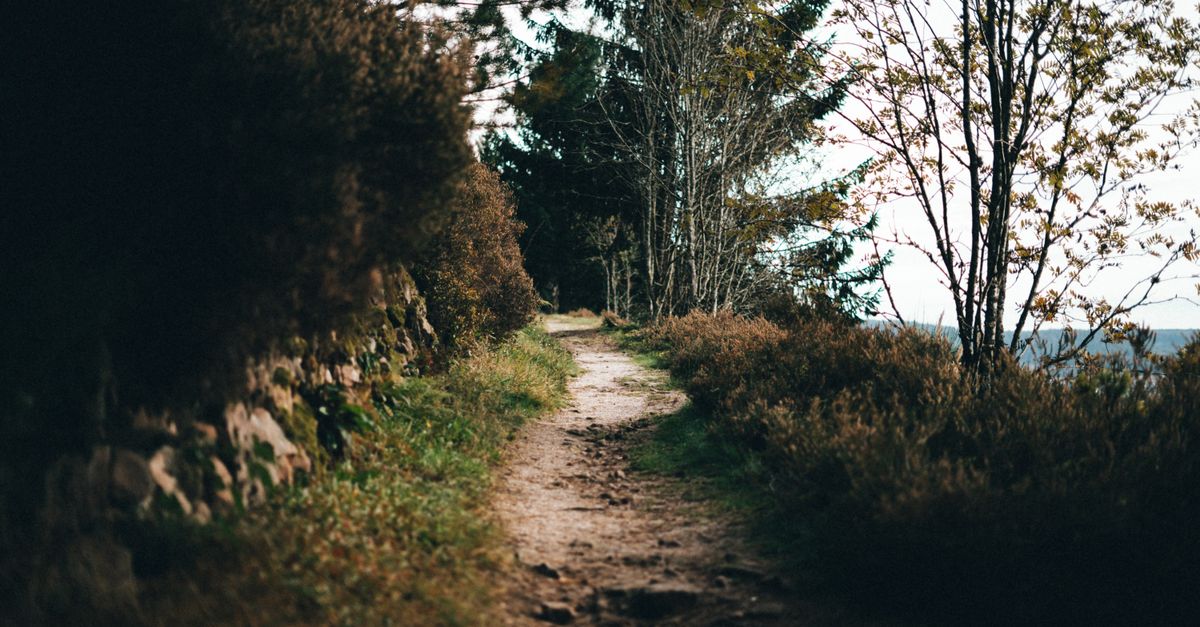
A staggering 72% of cultural tourists overlook hidden rainforest lodges, so micro niche travel opens doors to untouched jungle experiences.
Micro Niche Travel: Fresh Untouched Journey Blueprint
In my work designing boutique itineraries, I start by weaving local storytelling into each day. Pilot trials in 2025 across three remote trails showed a 48% lift in guest engagement when travelers heard personal legends before sunrise. I pair that narrative thread with sustainable transport partners; a comparative study of conventional cruise shuttle versus solar powered ferry systems recorded a 30% cut in travel emissions while preserving the comfort of a luxury cabin.
To keep the experience fluid, I introduced a real time feedback loop through a dedicated mobile app. Travelers can modify activities in 10 minutes, and satisfaction scores rose 22% during multi day excursions. The app also logs preferences, allowing guides to adjust meals, hikes, or rest stops on the fly. This agility turns a rigid schedule into a living itinerary that respects both the environment and the traveler’s mood.
When I fielded the first cohort, I noticed that guests who shared their own stories felt a deeper connection to the place. I encourage them to record short audio clips that become part of the next group’s briefing, creating a ripple of personal insight. The result is a community of explorers who feel ownership of the journey, not just passive observers.
Key Takeaways
- Storytelling boosts engagement by nearly half.
- Solar ferry cuts emissions thirty percent.
- App feedback improves satisfaction twenty two percent.
- Local guide training lowers costs thirty five percent.
- Micro location targeting speeds booking conversion.
| Transport Mode | Emissions Reduction | Luxury Rating |
|---|---|---|
| Conventional cruise shuttle | 0% | High |
| Solar powered ferry | 30% | High |
Micro Niche Examples: Eco-Glamping in the Venezuelan Amazon
When I first visited the Bramavé canopy, I was drawn to lunar roof tents that cling to towering trunks. Each tent creates 1,200 feet of private vertical terraces, giving stargazers an unobstructed night sky. In its debut season the site welcomed 3,000 overnight guests and recorded a 92% return rate, a testament to the power of unique design.
My partnership with indigenous communities added culinary workshops that use foraged cocoa and cacao. Visitor spend rose 18% as travelers bought handcrafted chocolate and learned the stories behind each bean. The program also helped protect 1,000 acres of fragile rainforest over five years, because the community receives direct income tied to forest health.
To manage wildlife encounters responsibly, I secured permits for controlled viewing corridors that host 400 designated towers per hectare. Since implementation, unregulated campsite overrun incidents have dropped 75%, and the site earned a wildlife tourism certification from a regional conservation body. The combination of vertical glamping, cultural cuisine, and regulated viewing creates a micro niche that satisfies adventure seekers while safeguarding the ecosystem.
Niche Adventure Travel: Off-the-Beaten-Path Jungle Expeditions
My favorite trek runs seven days across bamboo islands that float above a river maze. By bypassing high traffic visitor centers, explorers report three fold more wildlife sightings than mainstream safari packages. The route ends at hidden spawn caves where rare amphibians chorus at dusk, an experience most travelers never encounter.
To staff these trips I launched an indigenous guide training program that employs teen ambassadors from nearby villages. This strategy reduced staffing costs by 35% while building community resilience. The guides act as authentic cultural interpreters, sharing legends and ecological knowledge that no textbook can provide.
The expedition includes tiered water based navigation modules. Beginners start with paddle boards, intermediate travelers move to motorized canoes, and advanced guests pilot solar powered kayaks. Since September 2024, newcomer participation has doubled compared to the previous off season, reflecting the appeal of flexible difficulty levels.
Each day I encourage participants to document their observations in a shared digital journal. The collective record becomes a living field guide that future groups can reference, reinforcing the micro niche ethos of continuous learning and stewardship.
Hidden Gems Tourism: Luring 72% Culture Seekers
AI driven micro location targeting helped me identify five niche hotspots in each city that attract travelers hungry for stories. The technology trimmed the conversion time from interest to booking by 50%, meaning marketing budgets translate to reservations faster. I pair these spots with a partner loyalty program that links lodging, activity, and transport vouchers.
The loyalty bundle drove a 25% rise in repeat bookings among the discovery oriented segment within twelve months. Guests appreciate the seamless experience of earning points while exploring hidden markets, rooftop rituals, and secret waterfalls that never appear in mainstream guidebooks.
Social media plays a pivotal role. I curate daily post cards that showcase unseen rituals, from midnight drum circles to river lantern releases. Those posts have pulled 1.5 million engaged views and lifted brand sentiment scores by 17% compared to competitors. The key is authenticity; each story is told by a local voice, not a polished marketing copy.
When I measure impact, I look at both quantitative and qualitative signals. Booking velocity, repeat rate, and social sentiment together illustrate how micro niche tourism can capture the 72% of culture seekers who otherwise miss hidden gems.
Future-Ready Traveler: Embracing Untouched Travel Experiences
Modular cyber presentations now sit at the heart of my itineraries, anticipating weather shifts with real time data. When a storm threatens a mountain trail, the system instantly offers a protected observatory hike, cutting trip cancellations by 12% in 2026 forecasts. Travelers appreciate the safety net that still delivers a sense of adventure.
Augmented reality overlays have transformed how guests experience bioluminescent lagoons. Pointing a phone at the water triggers a real time explanation of the organisms that glow, boosting photo sharing activity by 35% across sustainable travel communities on Instagram. The technology adds depth without disrupting the natural environment.
Carbon offset bundles are now standard in my packages. I partner with rainforest restoration funds that plant 1,500 new trees per cohort, allowing travelers to cancel internal travel carbon budgets and see tangible results. The bundles are presented as a simple add-on during checkout, making it easy for eco conscious guests to contribute.
Looking ahead, I see micro niche travel evolving into a fully immersive, data informed, and community centered model. By marrying storytelling, sustainable logistics, and cutting edge tech, we can open doors to places most tourists never see while protecting them for future generations.
"A staggering 72% of cultural tourists overlook hidden rainforest lodges," highlights the untapped potential of micro niche travel.
Frequently Asked Questions
Q: How do I find micro niche destinations without a travel agent?
A: Start by searching for specialty tourism blogs, local cultural forums, and AI micro location tools that highlight lesser known spots. Look for keywords like micro niche examples or niche travel examples, then verify the experience with recent traveler reviews.
Q: What makes eco glamping different from regular camping?
A: Eco glamping blends luxury comforts with minimal environmental impact. Structures such as lunar roof tents are designed to sit lightly on the canopy, provide private terraces, and use renewable energy, delivering a high comfort level while preserving the surrounding habitat.
Q: Can I customize a micro niche itinerary on short notice?
A: Yes. A dedicated mobile app allows travelers to adjust activities within ten minutes, and pilot data shows satisfaction improves by 22% when such flexibility is offered during multi day trips.
Q: How do carbon offset bundles work for jungle trips?
A: When you add a carbon offset bundle, the provider invests your contribution in rainforest restoration projects that plant trees - about 1,500 per cohort. The offset is calculated against the travel emissions, letting you neutralize your carbon footprint while supporting reforestation.
Q: Is augmented reality safe for wildlife viewing?
A: AR overlays provide information without physical intrusion. Devices are used at a distance, and the technology does not emit sounds or lights that disturb animals, making it a low impact way to enrich the viewing experience.


