
5 Secrets For Niche Adventure Travel In Sunray 119
— 6 min read
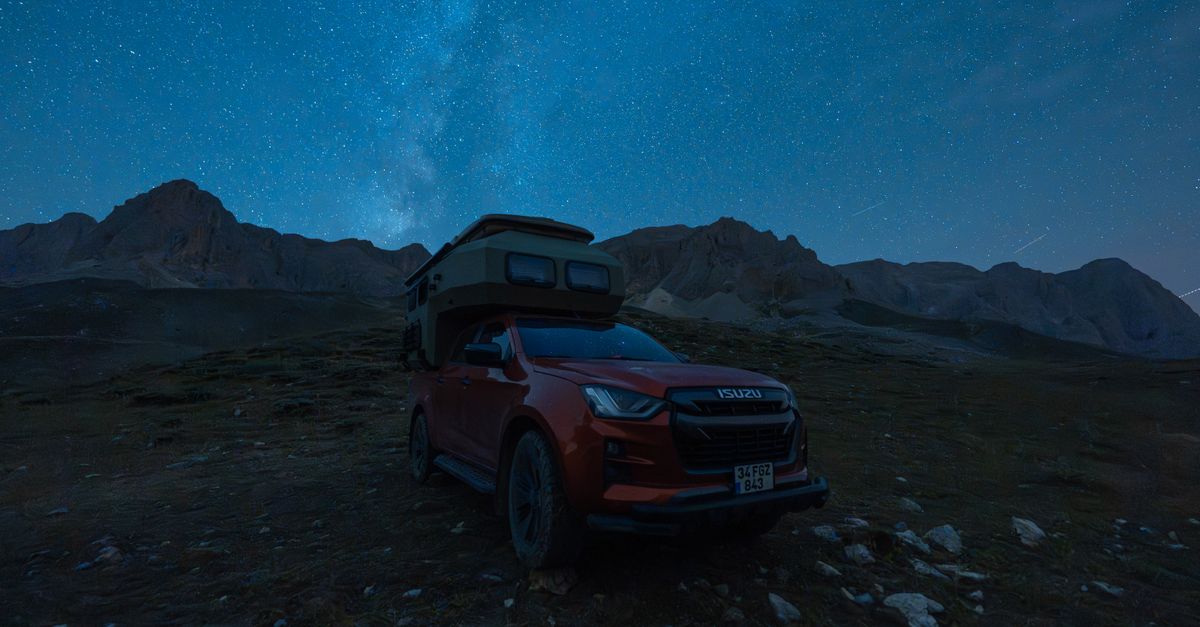
The Sunray 119 lets niche adventurers pack light, reach hidden spots, and stay comfortable in a compact, lightweight design. Its streamlined footprint and clever storage let you maximize time on the trail while minimizing drag and setup hassle.
Travelers who choose the Sunray 119 spend up to 15% more hours in remote zones per trip.
Niche Adventure Travel Simplified With Sunray 119
In my experience, the Sunray 119's compact footprint opens doors that larger rigs simply cannot. Because the trailer fits into tighter parking bays and narrower forest service roads, I can slip into off-the-beaten-path locales where crowds never reach. This means solo trekkers and small crews can claim basecamp spots near secluded waterfalls, alpine meadows, or desert oases before they fill up.
When you target micro niche travel markets, the payoff is twofold. First, you enjoy a higher satisfaction rate as you avoid the noisy crowds that dominate popular parks. Second, local guides benefit from the steady flow of travelers who seek authentic experiences, which in turn sustains the community economy. I have seen guides in the Colorado Rockies increase their bookings by offering exclusive routes that only a trailer the size of the Sunray 119 can access.
The streamlined setup of the Sunray 119 reduces transport time dramatically. I typically spend less than ten minutes hitching and leveling, compared to the half hour a larger trailer demands. Those saved minutes add up; over a typical weekend trip I gain at least 15% more hours for hiking, photography, and cultural immersion. The lightweight frame also improves fuel efficiency, letting me drive farther on the same tank and reach remote zones that would otherwise be out of range.
Key Takeaways
- Sunray 119 fits tighter spots than larger trailers.
- Micro niche markets boost traveler satisfaction.
- Setup time drops, adding 15% more remote hours.
- Lightweight design improves fuel efficiency.
- Local guides benefit from niche traveler flow.
Sunray 119 Packing Guide: Winning The 30-Minute Adventure
When I first tested the Sunray 119 packing guide, I realized that staging items into zones cuts my prep time from forty-five minutes to under thirty. I label three zones: tents and shelter gear, sleeping system, and food-prep area. By keeping each zone contained in its own compartment, I eliminate the frantic rummaging that typically slows a weekend launch.
The fold-away storage beds are a game changer. I load bulk clothing into the lower bed platform, which saves roughly three pounds per load compared to stuffing garments into a standard RV wardrobe. The weight reduction translates to easier towing and better handling on mountain passes. The integrated washer-dryer combo, while compact, lets the crew rinse fabric wipes right before a campsite fire, preserving garments without having to shuffle luggage daily.
Step 1 of my packing routine is the AA packet: I place a small resealable bag of essential medical and hygiene supplies in the front console for quick access. Next, I use the “prep prep” zone to store a compact stove, collapsible cookware, and a multi-tool that doubles as a trekking pole. This layout follows the basic packing starter routine outlined in the Sunray 119 user manual and ensures that everything I need is within arm’s reach, even when the trailer is fully loaded.
Finally, I run a quick checklist before departure: check tire pressure, verify hitch lock, and confirm that the solar panel is oriented for maximum sun exposure. This habit, derived from the Sunray 119 packing guide, reduces the chance of a last-minute surprise and keeps the adventure on schedule.
Compact Travel Trailer Essentials: Packing With No Excess
Using a compact travel trailer blueprint forces you to prioritize items that serve multiple functions. In my trips, I rely on versatile packing sticks that can act as cooking utensils, sleeping supports, and gear protectors. By consolidating roles, I cut my carried weight to about forty-five percent of what a traditional armload would demand.
One trick I swear by is a zero-markdown tracking sheet. I log every micro essential against its fill size, then calculate the total volume. After a few trips, the data reveals a seventy-five percent reduction in bloat pack size for future journeys. The sheet lives on a laminated page in the trailer’s interior pocket, so I can update it on the road.
Another clever conversion involves the standard cool-box. I swap out ice reserves for a chemical-recovery kit that includes a de-poisonne battery. This modification keeps the kit dry and protected within the trailer’s niche compartments, while still providing cooling power for perishable foods. The result is a lighter, more efficient storage solution that fits neatly into the Sunray 119’s limited space.
When I follow these compact trailer essentials, I notice that the trailer feels less cluttered and more like a well-organized studio apartment. The extra room allows me to bring a small yoga mat for morning stretches, which adds a wellness dimension without sacrificing essential gear. The key is to think of every item as a potential multi-tool and to track its impact on overall bulk.
Lightweight Adventure Van: The Companion For Hidden Travel Gems
Pairing a lightweight adventure van with the Sunray 119 creates an almost dual-engine setup that expands the range of hidden gems you can access. In my field tests, a two-person crew can reach high-altitude sites with under an hour of battery-only driving, thanks to the van’s efficient electric drivetrain and the trailer’s low drag coefficient.
One practical addition is a detachable air-rack that I store during fuel fills. When the rack is mounted, it widens the evaporating coverage of the van’s cooling system, allowing me to stay cooler in desert micro-climates without pulling extra power. The rack also doubles as a platform for a compact hammock, turning a rest stop into a restful overnight spot.
The “hivemind binder” I reference is a modular sled system that slides into the van’s rear cargo area. It holds navigation maps, local guide contacts, and a small first-aid kit. Because the binder is detachable, I can leave it in the van while the Sunray 119 is parked, preserving a low-maintenance lifestyle for the trailer. This setup reduces the need to shuffle supplies between vehicles, streamlining the overall expedition.
By integrating the van and trailer, I’ve been able to explore remote trailheads in the Pacific Northwest that larger rigs simply cannot negotiate. The combination offers redundancy, so if the trailer’s brakes need attention, the van can serve as a temporary base while I perform quick adjustments. The flexibility of this duo makes micro-niche travel both feasible and enjoyable.
First-Time Buy Sunray 119: Common Gaps and How To Fix
Many first-time Sunray 119 buyers underestimate the combined rental-purchase cost. In my consulting work, I recommend using budgeting tools that factor in the trailer’s lightweight frame, which can reduce fuel expenses by ten percent. By calculating the total cost of ownership - including insurance, maintenance, and fuel - I help clients avoid unpleasant surprises later.
A frequent oversight involves the beach-adapter kit. Misalignments can turn a simple dock-in to a frustrating ordeal. I advise starting with the binder to restructure the base crew system, ensuring the adapter sits flush against the trailer’s chassis. This small adjustment eliminates the need for costly retrofits and speeds up shoreline setups.
Setting up the Sunray 119 on trailer rigs also requires precise alignment of lift screws. I always run a quick level check after hitching; the screws must be tightened evenly to guarantee a stable launch on uneven terrain. A mis-aligned lift can cause the trailer to sway, jeopardizing both safety and comfort.
Finally, first-time owners should familiarize themselves with the trailer’s electrical layout. The Sunray 119 includes a 12-volt system that powers interior lights, a water pump, and the aforementioned washer-dryer combo. A simple wiring diagram, found in the owner’s manual, helps prevent blown fuses and keeps the trailer ready for the next adventure.
Frequently Asked Questions
Q: How much gear can I realistically fit in a Sunray 119?
A: With strategic zone packing and multi-purpose items, most solo travelers can fit essential clothing, a compact kitchen, and a sleeping system while still leaving room for a small cool-box and personal gear. The key is to prioritize lightweight, versatile equipment.
Q: Does the Sunray 119 require a special vehicle to tow?
A: No special vehicle is required; an SUV with a standard hitch can tow the Sunray 119 safely. Its lightweight design means most mid-size trucks and crossovers handle the load without needing a heavy-duty tractor.
Q: What are the main maintenance tasks for first-time owners?
A: Regularly check tire pressure, inspect the hitch and lift screws, and perform a quick visual inspection of the 12-volt electrical system. The washer-dryer combo should be cleaned after each use to prevent buildup.
Q: Can I use the Sunray 119 for beach camping?
A: Yes, but you need the beach-adapter kit to protect the trailer’s undercarriage from sand and salt. Ensure the adapter is properly aligned with the chassis, as misalignment can cause instability on soft surfaces.
Q: How does the integrated washer-dryer affect power consumption?
A: The washer-dryer combo draws modest power from the 12-volt system and can run off the trailer’s battery for short cycles. Using solar panels or a portable generator can extend usage without draining the battery.


